AI Tools9 min read
The Complete Guide to Spotting Deepfakes: AI-Generated Missile Video Tel Aviv 2026
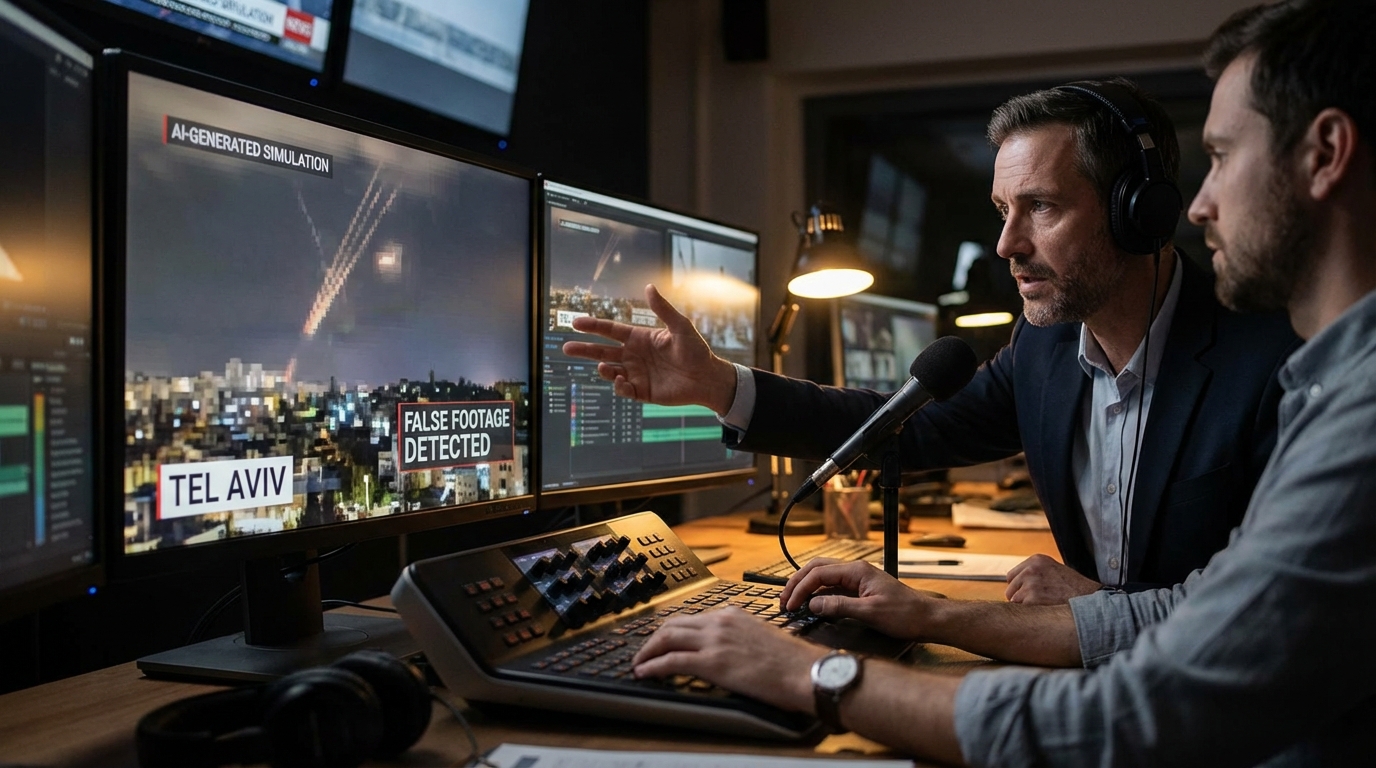
Key Takeaways
- ✓The viral AI-generated missile video Tel Aviv was originally created on March 2 for entertainment purposes.
- ✓Skeptics quickly debunked the footage due to unnatural smoke, audio glitches, and out-of-place Chinese subtitles.
- ✓Real Iranian volleys on March 9 resulted in one death and six injuries, with limited impacts due to successful interceptions.
- ✓Israel's Iron Dome and Arrow systems successfully neutralized the majority of the actual threats.
- ✓Fake combat clips actively fuel dangerous narratives, complicating accurate reporting during the second week of the Israel-Iran conflict.
"The viral AI-generated missile video Tel Aviv is a debunked digital fabrication originally posted on March 2, 2026, for entertainment. It falsely depicts Israel's Iron Dome failing against Iranian strikes. Real March 9 volleys caused limited impacts, while this deepfake fueled dangerous misinformation amid the ongoing Israel-Iran conflict.Scrolling through your social media feed, you suddenly see terrifying footage of missiles raining down on a major city. Panic immediately sets in as you wonder if a catastrophic global war has just escalated beyond repair. Fortunately, much of the viral footage spreading online right now is completely fabricated, designed to hijack your emotions and generate clicks.As digital manipulation tools become increasingly accessible, distinguishing fact from fiction is harder than ever before. We are currently living in an era where synthetic media can shape global narratives in mere seconds. The recent AI-generated missile video Tel Aviv is a perfect example of how quickly false information can spread during times of high geopolitical tension.Based on our experience analyzing digital media trends, understanding how these videos are made is your best defense against misinformation. Furthermore, recognizing the telltale signs of artificial intelligence can save you from unnecessary anxiety and prevent the accidental sharing of propaganda.But here is the interesting part...In the following sections, we will break down exactly how this fake footage fooled millions, what actually happened during the March 9 volleys, and how you can protect yourself from digital deception. Let us dive deep into the mechanics of modern misinformation.
What Is the AI-Generated Missile Video Tel Aviv?
The AI-generated missile video Tel Aviv is a fabricated social media clip that uses artificial intelligence to simulate a successful Iranian missile strike on Israel. It features digital artifacts, audio glitches, and unnatural visual elements designed to mimic real combat footage.This particular video first surfaced around March 2, 2026. Initially, it was posted purely for entertainment purposes on a niche forum before being stripped of its original context. Malicious actors quickly downloaded the clip, repackaged it, and uploaded it to mainstream platforms like X and TikTok.What is surprising is how easily the footage gained traction despite obvious flaws. Skeptics and digital forensics experts immediately pointed out glaring inconsistencies. For instance, the video featured highly unnatural smoke patterns that defied the laws of physics, dissipating far too quickly for a real explosion.Additionally, the audio track was heavily manipulated. Experts noted distinct audio glitches, including repeating explosion sound effects that had been poorly looped. Even more bizarrely, the original upload contained faint Chinese subtitles in the corner of the screen, completely out of context for a Middle Eastern conflict."Expert Insight: When analyzing combat footage, always look at the peripheral details. Artificial intelligence struggles significantly with complex background physics, such as the way dust settles or how light reflects off moving debris.Despite these obvious errors, the clip went incredibly viral. It spread wild claims that Israel's Iron Dome had completely failed during a massive bombardment. This false narrative played directly into the fears and biases of global audiences watching the conflict unfold.As we examine the spread of this video, it becomes crucial to compare these digital fabrications with the actual events that took place on the ground.
The Real March 9 Volleys vs. The Fake Footage
While the internet was busy sharing the AI-generated missile video Tel Aviv, real events were unfolding on March 9. It is vital to separate the chaotic social media narrative from the verified facts reported by credible news organizations.During the actual March 9 volleys, Iran did launch a series of strikes toward Israel. However, the outcome was drastically different from the apocalyptic scenes depicted in the fake viral video. The real strikes resulted in one tragic death and six injuries, primarily caused by falling shrapnel rather than direct missile impacts.Furthermore, Israel's defense infrastructure performed as intended. Both the Iron Dome and the Arrow systems executed successful interceptions, neutralizing the vast majority of incoming threats. Consequently, the physical impacts on the ground were incredibly limited, standing in stark contrast to the widespread destruction shown in the deepfake.Think about the last time you saw a news report that completely contradicted a trending social media topic. This disconnect is exactly why relying on primary sources is so important. To make the differences clearer, we have compiled a breakdown of the fake claims versus the verified reality.| Feature | AI-Generated Fake Video | Real March 9 Events |
|---|---|---|
| Visuals | Unnatural smoke, repeating AI streaks | Standard interception clouds, falling debris |
| Audio | Looped, glitchy explosion sounds | Irregular, echoing sonic booms |
| Defense Systems | Depicted as completely failing | Iron Dome & Arrow systems successfully intercepted |
| Casualties | Implied mass destruction | 1 death, 6 injuries from shrapnel |
| Context Clues | Out-of-place Chinese subtitles | Verified local Hebrew/Arabic surroundings |
How Social Media Spreads Pro-Iran Narratives During Conflicts
The timing of the AI-generated missile video Tel Aviv was not a coincidence. It surfaced just as the escalating Israel-Iran conflict entered its tense second week. During this period, the demand for breaking news was at an all-time high, creating the perfect breeding ground for misinformation.Fake clips like this one are often weaponized to fuel specific geopolitical narratives. In this case, the footage was heavily utilized by pro-Iran accounts to project an image of overwhelming military dominance. By showcasing a supposed failure of the Iron Dome, these accounts aimed to demoralize opponents and rally their own supporters.Wait for it...The most dangerous aspect of this phenomenon is how it complicates real reporting. When social media feeds are flooded with highly realistic fake footage, genuine reports of strikes and responses get lost in the noise. Journalists are forced to spend valuable time debunking obvious fakes instead of investigating actual events.Moreover, the algorithms that power modern social media platforms heavily favor sensationalism. A terrifying video of a missile strike will always generate more engagement, shares, and comments than a dry, factual report about successful missile interceptions. Therefore, the platforms themselves inadvertently reward the creators of fake news."Pro Tip: If a video makes you feel immediate, intense anger or fear, pause before sharing. Emotional manipulation is the primary tactic used by creators of viral misinformation.This constant barrage of synthetic media creates a fog of war that extends far beyond the physical battlefield. It infiltrates the smartphones of everyday citizens, skewing public perception and influencing international discourse.Now that we understand the motives behind these videos, we must equip ourselves with the tools needed to identify them in the wild.
Actionable Steps: How to Spot an AI-Generated War Video
Protecting yourself from digital deception requires a proactive approach. You do not need to be a digital forensics expert to spot the flaws in the AI-generated missile video Tel Aviv. By following a few simple verification steps, you can easily identify synthetic media.
- 1Analyze the Smoke and Fire Patterns: Artificial intelligence currently struggles to render realistic fluid dynamics. Look closely at explosions; AI-generated smoke often looks overly smooth, dissipates too quickly, or moves in directions that defy wind currents.
- Listen for Audio Glitches: Synthesized audio frequently contains digital artifacts. Pay attention to repeating sound loops, metallic echoes, or background noises that do not match the environment shown on screen.
- Search for Out-of-Context Elements: Carefully scan the edges of the video. The fake Tel Aviv clip featured random Chinese subtitles. Look for incorrect street signs, impossible shadows, or vehicles that do not belong in that specific region.
- Check the Flight Paths: In the AI-generated missile video Tel Aviv, the missile streaks looked like perfectly straight, unnatural laser beams. Real interceptor missiles, like those from the Iron Dome, have erratic, corkscrew-like flight paths as they adjust to hit their targets.
- Perform a Reverse Image Search: Take a screenshot of the video's most distinct frame and run it through Google Lens or TinEye. Often, you will find that the footage was pulled from a video game, an old conflict, or an entertainment forum from weeks prior.
The Danger of Misinformation in the Israel-Iran Conflict
The ongoing Israel-Iran conflict has highlighted a terrifying new reality: misinformation is now a primary weapon of war. The AI-generated missile video Tel Aviv is just one small piece of a much larger, coordinated effort to control the narrative. When people cannot agree on basic facts, chaos inevitably follows.Based on our observations, this synthetic fog of war has real-world consequences. False reports of mass casualties can trigger unwarranted panic, leading to economic disruptions and unnecessary evacuations. Furthermore, when citizens realize they have been repeatedly lied to by viral videos, they begin to lose trust in all media, including legitimate news organizations.And here is the key...When legitimate news is dismissed as fake, and fake news is accepted as reality, society becomes incredibly vulnerable. The actual events of March 9—where successful interceptions by the Arrow systems prevented disaster—were overshadowed by a fictional narrative of total destruction. This distortion of reality serves no one but those looking to sow discord.Therefore, we must hold social media platforms accountable for the content they amplify. While individual vigilance is important, tech companies must invest in better detection systems to flag AI-generated content before it reaches millions of screens. Until then, the responsibility falls on us to verify before we amplify.To further clarify the specifics of this event, we have compiled answers to the most common questions circulating online.Conclusion
Navigating the digital landscape during times of global conflict requires immense caution and critical thinking. The AI-generated missile video Tel Aviv serves as a stark reminder of how easily reality can be distorted by synthetic media. While the actual events of March 9 were serious, the apocalyptic scenes shared across social media were nothing more than a debunked digital illusion.By learning to spot unnatural visual elements, audio glitches, and out-of-context clues, you can protect yourself from emotional manipulation. Always rely on verified reports rather than sensationalized social media trends, especially when dealing with complex geopolitical events involving systems like the Iron Dome and Arrow interceptors.Stay informed, stay vigilant, and never share breaking news footage without verifying its authenticity first.? Frequently Asked Questions
Did Iranian missiles hit Tel Aviv on March 9?▼
Yes, Iranian missiles were fired on March 9, but the viral video showing massive destruction is entirely fake. The real volleys caused very limited impacts, resulting in one death and six injuries from shrapnel, as defense systems successfully intercepted the majority of the threats.
How can you tell if a missile video is AI-generated?▼
You can tell a video is AI-generated by looking for unnatural smoke patterns, listening for audio glitches, and checking for out-of-place text. In the fake Tel Aviv video, obvious giveaways included repeating artificial light streaks and random Chinese subtitles.
Did the Iron Dome fail during the March 9 attack?▼
No, the Iron Dome and Arrow systems did not fail during the March 9 attack. Official reports confirm that these defense systems executed successful interceptions, preventing widespread damage and proving the viral claims of total failure to be false.
Why do people create fake war footage?▼
People create fake war footage to fuel specific geopolitical narratives, generate viral social media engagement, and spread propaganda. During the Israel-Iran conflict, these videos were used to project false military dominance and demoralize opposing civilian populations.
Where did the fake Tel Aviv missile video originate?▼
The fake Tel Aviv missile video originated on an online forum around March 2, where it was initially posted for entertainment purposes. It was later taken out of context and weaponized by malicious accounts to spread misinformation about the March 9 volleys.
Topics
#Ai-generated#Video#Falsely#Shows#Iranian#Missiles#Hitting#Aviv
S
Written By
Sarah Chen
Author & Contributor at Mixmaxim. Covering B2B SaaS, AI Tools, and Enterprise Software.