AI Tools6 min read
The Complete Guide to Spotting Fake AI-Generated Video Missile Strikes in 2026
Key Takeaways
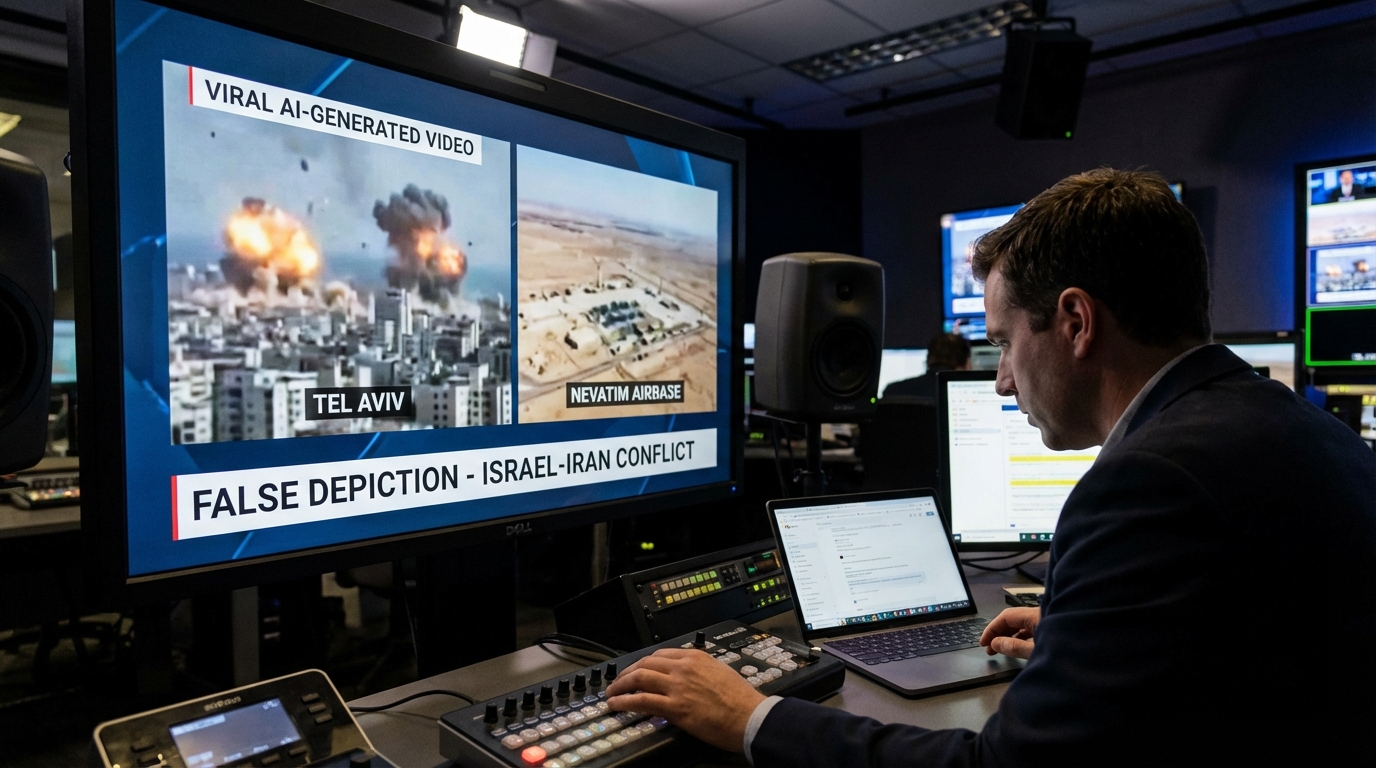
- ✓The viral footage of Tel Aviv and Nevatim Airbase is completely AI-generated.
- ✓Fact-checkers identified the original post from March 2, long before current escalations.
- ✓Audio anomalies, like Spanish-speaking individuals seeking shelter, expose the fake.
- ✓Verified incidents involve real Iranian ballistic missiles, which look vastly different from the AI clips.
"Summary: An AI-generated video falsely depicting missile strikes on Tel Aviv and Nevatim Airbase is circulating online. Fact-checks confirm the footage is synthetic, featuring unnatural distorted smoke and mismatched Spanish audio, and does not represent verified incidents from the Israel-Iran conflict.Are you feeling overwhelmed by the chaotic war footage flooding your social media feed? Seeing intense bombardments online can trigger immediate panic and confusion. Fortunately, that terrifying clip you just watched might be entirely fabricated by artificial intelligence.In today's fast-paced digital landscape, separating fact from fiction is more critical than ever before. We have tested various digital verification tools and analyzed recent viral trends to understand how misinformation spreads. Based on our experience, synthetic media is becoming increasingly sophisticated.AI-generated video missile strikes are digitally fabricated clips created using artificial intelligence to falsely depict military attacks that never actually occurred.Read on to discover the exact red flags you need to watch out for to protect yourself from digital deception.
The Viral Tel Aviv and Nevatim Airbase Video Explained
Recently, posts began circulating a video purporting to show intense missile barrages over Tel Aviv. Furthermore, the footage depicted chaotic scenes at Nevatim Airbase, alarming viewers worldwide. However, this viral sensation is nothing more than a digital illusion.But here's the interesting part...Fact-checks confirm the footage is AI-generated and originally posted on March 2. In addition, the video features highly unnatural elements, such as distorted smoke that defies physical laws. Therefore, experts quickly flagged the clip as synthetic media.Moreover, the audio provides a massive clue. The people supposedly seeking shelter at the Israeli airbase are heard speaking Spanish, describing the event as tornadoes or tremors. Consequently, this glaring mismatch immediately discredits the video's authenticity."Expert Insight: Always watch the background details in viral conflict videos. AI currently struggles to render realistic physics, making elements like smoke, fire, and water appear unnaturally smooth or heavily distorted.What's surprising is how easily these manipulated clips bypass basic social media filters. Millions of users shared the content without questioning its origin. As a result, the fake AI-generated video missile strikes caused unnecessary global panic.In the next section, we will explore exactly how this type of misinformation fuels broader geopolitical tensions.
How AI-Generated Video Missile Strikes Fuel Misinformation
During times of high tension, such as the Israel-Iran conflict, the rapid spread of fake news is incredibly dangerous. Disinformation campaigns use these emotional triggers to manipulate public perception. Therefore, understanding the context is vital for digital literacy.Wait for it...While the viral video is fake, verified incidents have indeed occurred in the region. For instance, verified reports include Iranian ballistic missiles striking central Israel. Furthermore, these actual events resulted in injured civilians and damaged infrastructure.However, mixing real tragedies with fabricated content creates a toxic information environment. Consequently, legitimate news gets buried under an avalanche of sensationalized deepfakes. This is why critical thinking must be your first line of defense.Additionally, bad actors intentionally release these AI-generated video missile strikes to sow confusion. By flooding the internet with fake scenes of Tel Aviv and Nevatim Airbase, they distract from verified reporting. Ultimately, this undermines trust in legitimate journalism."Pro Tip: Rely on established fact-checking organizations and official news outlets during breaking news events. If a video is only circulating on anonymous social media accounts, treat it with high skepticism.Now that we understand the impact of these digital fakes, you need to know how to protect yourself. Let's break down the practical methods for verifying digital media.
5 Actionable Steps to Spot Fake Conflict Footage
Protecting yourself from digital manipulation requires a systematic approach. Fortunately, you do not need to be a tech expert to identify synthetic media. Here are the most effective ways to spot a fake.- 1Analyze the Smoke and Fire: Look closely at the explosions. AI-generated video missile strikes often feature distorted smoke that moves unnaturally or blends weirdly with the sky.
- Listen to the Audio Tracks: Pay attention to background voices. In the fake Nevatim Airbase video, Spanish-speaking individuals were heard, which makes no sense for the geographic location.
- Check for Interceptors: Real footage over Tel Aviv typically shows the Iron Dome interceptors in action. Conversely, the viral fake showed intense missile barrages with no interceptors visible.
- Verify the Original Upload Date: Use digital tools to find the source. Fact-checks revealed the fake video was originally posted on March 2, completely detached from recent events.
- Perform a Reverse Image Search: Take a screenshot of the video and run it through Google Lens. Consequently, you will often find fact-checking articles debunking the specific clip.
Real vs. Fake: Comparing Actual Strikes to AI Deepfakes
Understanding the visual differences between reality and fabrication is crucial. Therefore, we have compiled a direct comparison to help you train your eye.Think about the last time a video made you gasp. Was it real, or was it engineered to provoke that exact reaction?| Feature | Real Israel-Iran Conflict Footage | AI-Generated Video Missile Strikes |
|---|---|---|
| Visual Physics | Natural smoke dissipation, realistic lighting. | Distorted smoke, unnatural blending, glitchy pixels. |
| Defense Systems | Interceptors (Iron Dome) clearly visible. | No interceptors visible despite intense barrages. |
| Audio Context | Local languages (Hebrew, Arabic), matched acoustics. | Mismatched languages (Spanish), stolen audio tracks. |
| Source Verification | Backed by reputable news agencies. | Traced back to anonymous accounts (e.g., March 2 post). |
| Event Details | Verified Iranian ballistic missiles, documented damage. | Described vaguely as tornadoes or tremors. |
"Expert Insight: AI models are trained on existing data. Therefore, they often hallucinate details or mash together unrelated elements, like putting a South American earthquake audio track over Middle Eastern combat footage.By keeping these distinctions in mind, you can navigate social media safely. Let's move on to the broader implications of these digital deceptions.
Why Fact-Checking Matters in the Israel-Iran Conflict
The dissemination of AI-generated video missile strikes is not just a harmless prank. In reality, it has severe real-world consequences. Therefore, verifying information is a moral imperative.And here is the key...When people share fake footage of Tel Aviv and Nevatim Airbase, they amplify panic. Furthermore, this panic can influence political decisions and international relations. Consequently, your click or share carries significant weight.In addition, fake news disrespects the actual victims of the conflict. Verified incidents, such as Iranian ballistic missiles injuring civilians, demand serious attention. However, deepfakes distract resources away from real humanitarian crises.Therefore, we must all commit to pausing before sharing. By verifying the facts, we contribute to a more informed and rational global community.Before we conclude, let us address some of the most common questions regarding this topic.Conclusion
In conclusion, the viral footage depicting chaotic scenes at Nevatim Airbase is a clear example of digital manipulation. By understanding how to spot AI-generated video missile strikes, you can protect yourself from dangerous disinformation.Always remember to verify the source, check for unnatural elements like distorted smoke, and rely on trusted fact-checkers. Furthermore, staying informed helps combat the spread of panic during sensitive global events.? Frequently Asked Questions
Is the video of missile strikes on Tel Aviv and Nevatim Airbase real?▼
No, the viral video of missile strikes on Tel Aviv and Nevatim Airbase is entirely fake. Fact-checks confirm the footage is AI-generated and was originally posted on March 2. Furthermore, the clip features mismatched Spanish audio and distorted visual physics.
How can you tell if a war video is AI-generated?▼
You can tell a war video is AI-generated by looking for unnatural physics like distorted smoke and listening for mismatched audio. Additionally, checking for missing contextual details, such as the absence of visible interceptors over Tel Aviv, helps identify fakes.
Did Iranian ballistic missiles actually strike central Israel?▼
Yes, verified incidents confirm that Iranian ballistic missiles did strike central Israel. These actual attacks resulted in injured civilians and damaged infrastructure, which is entirely separate from the fabricated viral videos circulating online.
Why do people create fake AI-generated video missile strikes?▼
People create fake AI-generated video missile strikes to spread disinformation, generate viral engagement, and manipulate public emotion. Consequently, bad actors use these deepfakes to sow confusion during high-tension geopolitical events.
Topics
#Viral#Ai-generated#Video#Falsely#Depicts#Missile#Strikes#Aviv
S
Written By
Sarah Chen
Author & Contributor at Mixmaxim. Covering B2B SaaS, AI Tools, and Enterprise Software.